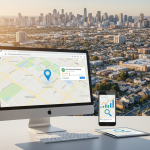
SEO, or search engine optimization, improves how visible security companies are in online search results. It is a key strategy for reaching more potential clients. Because nearly seven in ten online searches begin on a search engine, effective SEO can materially improve lead flow and customer inquiries.
SEO For Private Security Services
SEO is a durable strategy that complements other marketing activities. For security guard and cybersecurity firms, it attracts prospects currently looking for protection and monitoring services. This focused method helps ensure that only qualified leads are generated.
There is a meaningful difference between basic on-page tweaks and a full SEO program. A full program includes technical optimization, content strategy, backlink development, and analytics. That broader approach creates long-term organic visibility and cuts dependence on short-term advertising.
Marketing 1 On 1 (www.marketing1on1.com) specializes in SEO and digital marketing services for security businesses. They help companies implement best practices and scale their organic growth across the U.S., both locally and nationally.
This guide will cover the importance of SEO, outline strategies, and discuss keyword architecture. It will also cover on-page and technical optimization, authority-building tactics, and measurement practices. The aim is to provide a practical roadmap for U.S. security companies that want to strengthen their online presence and attract more clients through organic search.
Why SEO Is Important For Security Companies And Cybersecurity Firms
Search visibility is essential for both physical guard services and cybersecurity providers. For local patrol firms, searches like “security guard services in Brooklyn” or “mobile security patrol Chicago” show clear intent. Cybersecurity firms, on the other hand, attract technical searches from CISOs and SOC managers, which reflects a more research-driven buying path. By investing in SEO, these companies can align each search intent with the right page and the right call to action.
Local search is a major source of revenue for guard companies. Complete Google Business Profile listings with accurate NAP details, photos, service descriptions, and reviews can increase clicks and calls. Using geo-modified phrases such as “armed security guard services in Austin” and being listed in local directories strengthens indexing. This strategy helps capture nearby, high-intent traffic for website optimization in security companies.

Search rankings often function as trust signals. Many users perceive top organic results as more credible and reputable. Strong title tags and meta descriptions that emphasize experience and calls to action can increase conversions. For cybersecurity firms, E-E-A-T—Experience, Expertise, Authoritativeness, and Trustworthiness—is especially important. Vendor pages should reference standards such as NIST and MITRE ATT&CK while also including case studies with documented outcomes to attract enterprise buyers.
Physical security and cybersecurity require separate SEO strategies. Guard companies benefit from service-level local keywords, simple booking flows, mobile-first pages, and visible licensing and reviews. Cybersecurity firms, by contrast, need niche technical keywords, deep content hubs, gated white papers, and backlinks from industry publications such as Dark Reading and ThreatPost. Using accurate industry vocabulary—terms like lateral movement, IOC enrichment, and SOAR—helps maintain credibility with technical audiences.
Author bios and credentials like CISSP or CEH reinforce trust in cybersecurity content. For guard services, licensing details and customer reviews serve a similar purpose. Both kinds of firms benefit when website optimization is paired with targeted local strategies. This combined approach can improve online visibility for security businesses in both standard search and map results.
SEO For Security Businesses
The right SEO strategy can transform searches into website visits and calls for both guard companies and cybersecurity firms. This section outlines the main keyword intents, identifies target audiences, and explains how SEO fits into a broader digital growth plan.
Define The Main Keyword And Buyer Intents
The main target phrase is “SEO For Security Businesses.” Search intent usually falls into four groups: informational, navigational, transactional, and commercial investigation. Informational queries focus on learning how to choose a security service. Navigational queries seek brand pages. Transactional queries look for quotes, such as “armed guard quote.” Commercial investigation queries compare vendors, services, or platforms.
High-intent examples include local phrases like “retail security guard services in Philadelphia” and cybersecurity searches such as “SOAR platform for mid-market” or “threat intelligence platform.” These targets help shape content that can both rank and convert.
Target Audiences And Personas
Security guard companies often serve business owners, property managers, event planners, and facility managers. Their biggest concerns often include liability, patrol reliability, officer training, and cost. Helpful content formats for these audiences include service pages, local landing pages, and quote request forms.
Cybersecurity firms tend to target CISOs, SOC managers, compliance officers, and IT directors in sectors like healthcare, finance, and government. Their priorities include compliance, threat intelligence, detection and response, and secure cloud environments. Preferred content formats include white papers, technical comparisons, and case studies.
- A strong persona profile includes job titles, likely search queries, major pain points, and preferred content formats.
- Examples might include “event security for stadiums” for event planners and “HIPAA compliance SOC services” for healthcare CISOs.
How SEO Supports A Broader Digital Marketing Plan
Organic search serves as a long-term foundation that can support paid search, email nurturing, sales enablement, and PR. A strong SEO strategy for security companies can lower cost per acquisition over time because it captures inbound demand earlier in the buyer journey.
Integrate SEO services for security firms with local listing management, review generation, CRO, and paid campaigns to address urgent demand while organic rankings mature. Use persona-specific content to support email sequences, sales collateral, and broader nurture efforts.
Marketing 1 On 1 can coordinate audits, technical fixes, and content programs that align with these goals and the unique needs of guard operators and cybersecurity vendors.
Building Keyword Strategy And Content Architecture For Security Companies
Developing a focused keyword strategy and a clear content architecture is important for security firms that want to attract the right traffic. Use geo-modifiers and service-specific phrases for local intent, while also targeting niche technical terms for cybersecurity offerings. Balancing broad commercial terms with long-tail searches helps reach buyers at different stages of the buyer journey.
Local And Niche Keyword Targeting Approaches
Target phrases like “armed security for bank in Malibu” or “mobile patrol Chicago” to capture high-conversion local searches. For cybersecurity SEO, prioritize narrower high-intent terms such as “threat intelligence platform,” “healthcare cybersecurity,” “SOAR security,” and “indicators of compromise.”
Use simple math when setting priorities: ranking near the top for a mid-volume commercial keyword with around 500 searches per month can generate far more qualified leads than ranking poorly for broad generic terms. Track conversion rate at the keyword level so budget and content resources can be allocated more efficiently.
Using Topic Clusters And Content Hubs
Build pillar pages such as “Ransomware Protection for SMBs” and “Cloud Security for Financial Institutions.” Then connect those pages to supporting content like tutorials, FAQs, case studies, and technical deep dives. That structure signals topical authority to search engines while also improving usability for readers.
For cybersecurity firms, create hubs around frameworks like NIST and MITRE ATT&CK and around product use cases such as SOAR and threat intelligence. Use a mix of service pages, blog posts, white papers, gated reports, webinars, and technical playbooks to serve different intents and attract backlinks.
Aligning Content With Buyer Journey Stages
TOFU content should answer foundational questions like “what is SOAR,” “types of security patrols,” or “what is LLM observability?” Educational content helps build awareness and supports long-term SEO for Security Businesses.
MOFU content often includes comparison articles, industry-specific guides like healthcare cybersecurity compliance, and demo-request landing pages. These assets help move prospects from initial curiosity toward serious consideration.
BOFU content must be built to drive conversions. Case studies with measurable outcomes, detailed product pages, incident response playbooks, and strong calls to action all play a role. Core pages should be refreshed every 6–12 months, and analytics should be used to prioritize updates according to traffic and conversions.
| Content Format | Ideal Use | Example Keywords |
|---|---|---|
| Core Service Page | Convert local and commercial intent | mobile patrol Chicago; armed security for bank in Malibu |
| Topic Pillar Page | Establish topical authority | Ransomware Protection for SMBs; Cloud Security for Financial Institutions |
| Technical Long-Form Asset | Attract backlinks and expert queries | SOAR security; indicators of compromise; LLM observability for enterprises |
| Whitepaper / Gated Report | Lead capture and thought leadership | threat intelligence platform comparison; healthcare cybersecurity playbook |
| Proof-Focused Case Study | Drive BOFU conversions with proof | measurable incident response outcomes; security operations ROI |
On-Page And Technical SEO For Security And Cybersecurity Sites
On-page and technical optimization are critical for security firms that want to convert visitors into leads. Clear title tags and meta descriptions featuring service and location details can increase click-through rates. Use headings to guide readers and include target phrases naturally to improve both search relevance and user experience.
Service pages need to highlight benefits, pricing information, and a clear quote form. Trust signals such as licenses, insurance details, client logos, and reviews are also important. Short FAQs with schema can address common questions. Prominent contact forms, click-to-call buttons on mobile, and live chat can greatly improve conversions for both guard services and cybersecurity consultations.
Site speed and mobile design are important when making a first impression. Compress images, use lazy loading, and test performance with tools such as PageSpeed Insights or WebPageTest. Responsive navigation and fast load times help reduce bounce rates, particularly on mobile devices.
Crawlability is vital for search visibility. Submit sitemaps to Google Search Console, fix crawl errors, and manage redirects to avoid duplicate content issues. Apply structured data to service pages, FAQ sections, and articles to improve how pages appear in search results.
Security is both a ranking factor and a trust signal. Use HTTPS with a valid SSL certificate, and place privacy statements near lead forms. For search engine optimization for security agencies, protecting user data and highlighting compliance certifications can reduce buyer friction.
Complex websites require strong technical hygiene. Broken redirects should be fixed, orphan pages should be removed, and hosting should remain fast and secure for downloadable assets. For cybersecurity firms that use gated white papers or partner portals, robots directives and canonical tags should be configured so public content indexes correctly while secure assets remain protected.
Use clear image alt text that describes scenes and services in accessible language. That small step helps accessibility and also supports website optimization for security companies by linking visuals with relevant search intent.
Apply these SEO tips for security companies across all major pages and templates so improvements can scale. Consistent on-page and technical practices create a more trustworthy web presence that can convert visitors into qualified leads.
Authority Building And Backlink Strategies For The Security Industry
Building authority online requires a mix of original content, targeted outreach, and consistent local presence. For security firms and cybersecurity teams, earning links from trusted sources and maintaining accurate local citations can improve visibility and support lead generation. The best approach combines expertise-focused content with verified business profiles across relevant platforms.
How To Use White-Hat Backlink Acquisition Tactics
Creating original research such as incident benchmarks, regional threat surveys, or technical reports can attract citations from respected industry blogs and news sites. Guest articles in publications such as SecurityWeek or CSO Magazine can also earn contextual links while demonstrating expertise.
Collaborating on guides with complementary vendors, such as Hikvision for CCTV content or CrowdStrike for threat intelligence, can earn editorial links and broaden your reach. Resources like incident response playbooks and templates can also attract citations from consultants, trainers, and industry educators.
How To Use Directories, Listings, And Local Citations
Optimizing Google Business Profile entries and relevant industry directories is important for local search visibility. Make sure your Name, Address, and Phone Number (NAP) stay consistent across listings so authority is not diluted.
Populate profiles on review sites and software directories wherever they are relevant. Platforms like G2 and Capterra can be especially important for cybersecurity sales. Listings on Angi, Thumbtack, and local chamber sites can build local trust while also generating useful backlinks.
Using Industry-Relevant References For Cybersecurity SEO
Target backlinks from authoritative cybersecurity outlets such as Dark Reading, ThreatPost, and BleepingComputer by contributing data-driven stories or expert commentary. Aligning content with frameworks like NIST, MITRE ATT&CK, and CIS Controls can also attract references from vendors and consultants.
Case studies and framework-aligned white papers are useful for demonstrating technical credibility. Building a network of reputable resources for link acquisition is valuable, but manipulative tactics should be avoided. For stronger implementation of the best SEO practices, many firms work with experienced SEO services for security firms.
Measurement, Tools, And Ongoing Optimization
Tracking progress is critical to any SEO strategy in the security sector. Metrics help turn marketing activity into actionable insight. They reveal what attracts prospects and what ultimately drives conversions.
For security businesses, organic traffic should be tracked by search intent and content stage. Both TOFU pages that build awareness and BOFU pages that generate leads should be monitored closely. Also track priority keyword rankings for service and product terms across both physical security and cybersecurity offerings.
Page-level conversion rates are especially important to monitor. Keep a close eye on quote form submissions, demo requests, and gated asset downloads. Also track assisted conversions from multi-touch funnels. Backlink growth and referring domains also matter, particularly when relevance and authority are taken into account. Technical signals such as page speed, crawl errors, and mobile usability should be reviewed regularly. E-E-A-T signals, including author visibility and industry mentions, can further strengthen online presence.
Use tools and reports that cover analytics, search visibility, technical auditing, content relevance, and listings. Google Analytics 4 and Google Search Console are foundational for traffic and indexing data. Semrush, Ahrefs, or Moz are commonly used for keyword research and backlink monitoring.
Technical audits can be supported by tools such as Screaming Frog, Sitebulb, WebPageTest, and Google PageSpeed Insights. SurferSEO or Clearscope may be useful for content analysis and SERP alignment. BrightLocal and Yext are useful for monitoring local listings and reputation. Vendor review platforms like G2 and Capterra are important for cybersecurity product visibility.
Reports should provide monthly performance summaries and support quarterly strategic reviews connected to business outcomes. Monthly snapshots should cover traffic, keyword movement, and conversion trends. Quarterly reviews should connect SEO activity to leads, pipeline, and revenue, helping justify continued investment in SEO for Security Businesses.
Optimization cadence and content maintenance are key to long-term performance. Publish and promote new content on a regular schedule. Pillar pages and high-value posts should be refreshed every 6–12 months using updated data and references. A/B testing should be used on forms and CTAs, while heatmaps and session recordings can help refine conversion paths.
Backlink outreach and PR activity should be maintained on an ongoing basis. Monitor link quality and disavow toxic links when needed. Meaningful ranking gains generally take months rather than days. That is why continuous investment in content, technical hygiene, and authority building is necessary to improve online visibility for security businesses and sustain a strong SEO strategy for security companies.
Conclusion
SEO For Security Businesses provides a clear growth path for both local guard companies and technical cybersecurity firms. Local security providers should prioritize location-targeted pages, clear service descriptions, and visible reviews to improve conversions. Cybersecurity providers, meanwhile, need in-depth expert content to rank for specific technical searches.
A well-rounded SEO program includes keyword strategy, topic clusters, technical SEO, white-hat link building, and consistent monitoring. These elements work together to support stronger performance. Targeted keywords guide the content plan, content hubs capture intent, and technical optimization helps search engines find, understand, and trust the website.
Use these SEO tips for security companies to build trust through transparent service pages, client case studies, and authoritative technical resources. Regular content updates, backlink audits, and performance monitoring can help maintain strong visibility and steady lead flow.
If in-house resources are limited, working with experienced specialists can help accelerate progress. Search engine optimization for security agencies should be viewed as a long-term investment, not a quick fix. With the right support, organic visibility can be turned into sustained business growth.
Related: Expert Security Guard Services Available in Alameda