Frank Lloyd Wright famously said, “The mother art is architecture. Without an architecture of our own we have no soul of our own civilization.” That message still speaks to homeowners today. Many are looking to shape their own living environment and add meaningful value to their property.
In Washington state, The website about ADU builders have seen a sharp rise in demand. They deliver a practical, flexible way to add more room. The extra space can house family, accommodate visitors, or generate rental income.
Making this plan real calls for thoughtful preparation and capable craftsmanship. The success of the entire endeavor hinges on one critical decision. Picking the right builder at the outset is absolutely vital.
This is where the expertise of a firm like Renovate Builders becomes invaluable. As a respected professional construction service across the region, they’re familiar with the local construction environment. Their team handles local regulatory complexity and manages construction with careful precision.
This guide walks you through the process from a homeowner’s perspective. It explores the core advantages of adding a secondary dwelling unit at home. You’ll learn how smart planning can elevate both your living space and your long-term finances.
Understanding Accessory Dwelling Units Across Washington State
Homeowners across Washington are finding a practical answer to modern living challenges right in their own backyards. Secondary units offer a level of flexibility that typical additions can’t easily replicate. They’re a smart way to maximize how a property is used.
What Is An Accessory Dwelling Unit (ADU)?
An accessory dwelling unit is a fully separate living space located on a single-family property. It runs as its own self-contained space apart from the main home. This secondary unit contains everything needed for daily life.
A true accessory dwelling unit includes essential living facilities. These include a kitchen space designed for preparing meals. They also contain a private bathroom and a separate sleeping area.
These Go to website about ADU builders units come in several distinct forms. Some are fully detached structures built in the backyard. Others may be basement conversions or additions attached to the existing home.
The flexibility of these units is impressive. They can function as comfortable guest suites for visiting relatives. Many homeowners use them as private studios or creative spaces.
Some people establish a quiet home office away from main household activity. Others set them up as rental units that generate consistent monthly revenue. They also support multigenerational living in a practical way.
It’s important not to confuse them with basic room additions. A true ADU has full independence. It doesn’t just add space—it creates a wholly separate living environment.
The Rising Popularity Of ADUs In The WA Housing Market
Several factors drive the rising demand for these secondary units across Washington. Washington continues to face a serious shortage of affordable housing. These compact dwellings help address this pressing community need.
Changing lifestyle patterns also contribute to their appeal. More people work remotely and need dedicated office space. Many households look for flexible setups for parents who are aging or adult children.
Recent policy updates have made the process easier. Lawmakers in Olympia passed measures to streamline approvals. These changes reduce bureaucratic hurdles for property owners.
These updated guidelines clarify what property owners can build. They set clearer expectations for size and placement. This legislative support makes planning more straightforward.
Homeowners appreciate the multiple benefits these projects offer. They add valuable living space without the need to move. These units can evolve as family needs change over time.
Financial motivations also weigh heavily. Building an ADU can be a strategic investment. It increases property value while potentially creating rental income.
Successful projects require understanding local regulations. Each municipality sets its own zoning standards. Proper planning helps keep everything compliant from the start.
When you build an ADU, you’re creating long-term value. The project boosts how your property functions immediately. It also establishes assets that will serve you for years to come.
The Many Benefits Of Building A Washington ADU
Beyond just extra square footage, a well-planned secondary unit delivers financial and lifestyle benefits. Homeowners get versatile options that can shift as needs change. This kind of investment improves everyday living and long-term value.
These units address multiple challenges at once. They create practical Details here about ADU builders solutions for modern living without requiring a major move. Each advantage ties back to common goals shared by property owners statewide.
Creating Flexible Living Space For Family Members And Guests
A separate dwelling provides privacy and independence for household members. Adult children can live comfortably while saving toward their own homes. Aging parents can remain nearby while preserving autonomy.
Visiting guests can enjoy a private retreat during their stay. This setup helps keep the main house peaceful. Everyone can relax without feeling cramped.
The remote work revolution makes dedicated office space invaluable. A quiet studio away from household noise boosts productivity. Creative professionals gain a focused environment for their work.
This adaptable area can be used in different ways throughout the year. It may serve as a guest suite during holiday seasons. That same space can become a yoga studio or an art workshop.
Creating Sustainable Rental Income
Financial advantages make these projects particularly appealing. A finished unit can generate consistent monthly rental income. This revenue can help offset mortgage payments or property taxes.
Homeowners build long-term financial security through passive earnings. That added income can fund other life goals and investments. Rental demand stays strong in many Washington neighborhoods.
This approach is a practical form of asset optimization. Property owners convert unused yard space into revenue-producing assets. The return on investment often outperforms traditional saving methods.
Here are a few financial benefits to consider:
- Rental payments can provide steady passive income
- Mortgage assistance reduces overall housing costs
- Property value appreciation creates equity growth
- Tax benefits may apply for certain rental property expenses
Boosting Your Property’s Overall Value
A well-built addition can significantly increase market appeal. Many buyers view the extra unit as a major advantage. It often supports a higher listing price during a sale.
The investment often pays off as property values increase over the years. Homeowners may build equity faster than with standard upgrades. The added unit can help the property stand out in a competitive market.
Strategic planning helps ensure the new space fits the existing property. Thoughtful design preserves neighborhood character while adding function. Quality construction helps preserve value for decades.
Community advantages go beyond individual lots. These projects increase density in a sustainable, incremental way. They provide more housing choices in established neighborhoods without large-scale development.
This arrangement makes aging-in-place more realistic. Homeowners may eventually downsize into the smaller unit. They can then rent the main house for additional retirement income.
Exploring Your ADU Choices: Types And Styles
Multiple construction approaches exist for adding a secondary residence to a single-family lot. Each option presents different advantages regarding cost, timeline, and space utilization. The best fit depends on your lot layout, budget, and long-range goals.
Local zoning regulations in various counties will influence what you can build. A knowledgeable contractor can help you work through these requirements. They ensure your project meets all community standards from the start.
Detached ADUs: Standalone Backyard Units
A new detached build offers the most design flexibility. They are constructed separately from the primary home. They create a private backyard retreat.
This route allows more creative architectural expression. The design can complement the primary residence or stand on its own. High-quality materials and workmanship help ensure long-term durability.
These detached units offer complete separation for those living in them. They work well for rentals or for family members who want independence. Construction costs often range from $100,000 to $300,000.
They require careful planning around utilities and access. Good siting can maximize both privacy and usable outdoor space. A design-build firm can coordinate all aspects in a seamless way.
Attached ADUs And Basement Conversions
Another effective strategy is expanding your home’s existing footprint. Attached additions connect directly to the main structure. They often share at least one wall with the main home.
Basement conversions transform underutilized space into comfortable living areas. This approach uses existing below-grade square footage. It’s an efficient way to use existing space.
Conversion costs for basement units generally fall between $50,000 and $80,000. The process involves adding proper egress, ventilation, and finishes. Moisture control is a critical factor during construction.
Both approaches keep occupants close to the main home. They work well for home offices or for housing family members. A good design should emphasize natural light and practical layouts.
Garage Conversions Into Comfortable Living Space
Transforming an existing garage offers a cost-effective path to additional square footage. These projects often cost between $40,000 and $60,000. They transform a practical structure into a cozy living unit.
Because the foundation and roof already exist, initial construction is reduced. Proper insulation, plumbing, and electrical systems must be installed. All modifications must meet current building codes for safety.
Garage conversions often proceed faster than new construction. The existing structure shortens the overall schedule. This makes them attractive to homeowners who want quicker results.
Keep these factors in mind for a successful garage conversion:
- Ceiling height must meet minimum standards for habitable space
- You should plan for parking needs if you’re losing vehicle storage
- Window placement is crucial for natural light and emergency egress
- Heating and cooling must be properly sized for the new space
Some owners also explore condoization as part of the project. This legal process can split one property into separate units. It allows for individual ownership of the main house and secondary dwelling.
Each type of accessory dwelling unit serves different needs. Detached units offer maximum privacy. Attached additions and conversions maximize existing structures.
A custom design approach ensures the space matches your requirements. It also helps maintain aesthetic harmony with the neighborhood. Thoughtful planning creates dwelling units that add value and functionality.
The construction method you choose should align with your vision. Consider how you’ll use the space now and in future years. Whether you want rental income, space for family, or a home office, the right foundation matters.
The ADU Construction Process: A Step-By-Step Guide
The process becomes far less confusing when you follow a clear, phase-by-phase guide. Knowing what to expect at every step provides clarity and reduces stress. A professional builder can manage this journey smoothly from first idea to final handoff.
Phase 1: Initial Consultation & Feasibility Assessment
This initial meeting lays the groundwork for the whole project. The builder comes to your home to review goals and evaluate the site. They assess zoning, utility access, and soil conditions.
This phase typically establishes a realistic budget and early timeline. This step ensures your vision matches practical realities. It’s a collaborative discussion that shapes a workable plan.
Phase 2: Design Customization And Planning
Here, concepts turn into detailed architectural plans. You work with designers to lock in layouts, materials, and finishes. This collaborative process ensures the unit meets your specific needs and style.
Every detail is considered, from window placement to cabinet choices. The goal is to create a space that is both functional and beautiful. The finished plans become the guide for the stages ahead.
Phase 3: Permitting And Regulatory Navigation
This phase involves securing official approval from local authorities. Your builder submits the detailed plans to the city or county for review. They handle code requirements and zoning rules on your behalf.
This step ensures the project complies with all local regulations. It can take patience, but an experienced team streamlines the submission process. Correct permitting is critical for a safe and compliant build.
Phase 4: Building And Quality Assurance
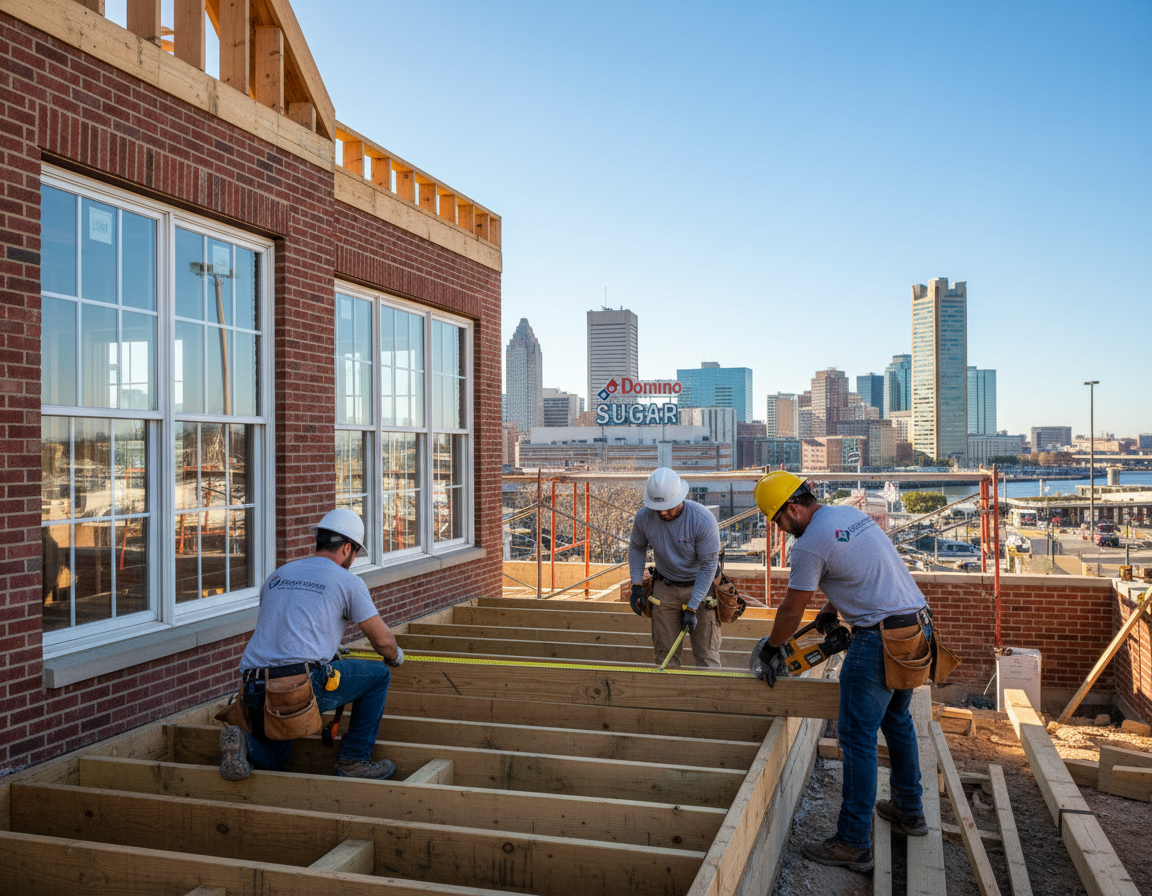
After permits are approved, construction begins on your property. The build phase follows the approved plans closely. Skilled trades handle foundation work, framing, and installations.
This stage typically includes ongoing updates and quality checks. Your builder keeps communication clear about progress and adjustments. Schedule and budget are tracked closely throughout.
Phase 5: Final Inspection And Handover
The last step focuses on verification and project closeout. A final inspection confirms the work meets code and plan specs. Once it passes, a certificate of occupancy is issued.
After that, you take part in a detailed walkthrough of the completed unit. The builder reviews systems and addresses any remaining questions. This formal handover completes the project successfully.
The table below shows a common timeline for this process. Note that durations can vary based on project scope and municipal schedules.
| Project Phase | Key Activities | Estimated Duration |
|---|---|---|
| Initial Consultation | Property assessment, goal discussion, early budgeting | About 1-2 weeks |
| Planning & Design | Architectural drafting, finish selection, plan finalization | 3-4 weeks |
| Construction | On-site work, framing, utilities, interior finishes, quality control | 8-12 weeks |
| Final Inspection & Handover | Official inspections, certificate pickup, homeowner walkthrough | Typically 1-2 weeks |
Selecting a builder who manages the entire process is invaluable. They coordinate each phase, manage the complexity, and keep you informed. That level of oversight helps turn the dream into a smooth and successful result.
How To Choose The Right ADU Contractor In Washington
Finding a reliable building professional requires a methodical approach and clear criteria. The person or team you select will shape your project’s outcome from start to finish. An informed decision protects your investment and supports a smoother build.
This checklist covers the key factors to consider. It helps you identify a contractor with the right capabilities and experience. Following these steps supports a strong collaboration and a beautiful finished space.
Evaluating Experience & Local Expertise
Not all construction companies have the same background. Seek out a builder with proven experience building secondary dwelling units. That specialized experience makes a major difference in execution.
A firm familiar with Washington State regulations saves time and avoids headaches. They understand county-specific zoning rules and permitting requirements. This local expertise prevents costly delays and compliance issues.
Ask candidates how long they’ve been doing similar projects. Ask to review a portfolio of finished accessory dwelling units. A seasoned professional will gladly share examples of their work.
Design-build can be particularly helpful for these projects. It integrates planning and construction under one team. This streamlined method often results in better coordination and fewer surprises.
Why Transparency Matters For Budget And Timeline
Clear conversation about costs helps establish trust early. Choose a partner who offers detailed, fixed-price proposals. This approach differs significantly from rough estimates that can change.
A transparent builder explains potential cost variables upfront. They clarify what’s included in the base price and what may cost extra. This clarity helps you plan your finances with confidence.
The schedule deserves the same level of clarity. A dependable professional provides a realistic schedule with major milestones. They also communicate promptly about any adjustments needed along the way.
During your initial consultation, discuss these aspects thoroughly. A trustworthy provider welcomes budget and scheduling questions. A willingness to be transparent is a strong indicator of work ethic.
Verifying Credentials, Insurance, And Reviews
Proper licensing is a must for any construction work. Confirm your contractor holds current state credentials. A legitimate general contractor will provide this information willingly.
Insurance protects everyone involved. Confirm they have both liability insurance and workers’ compensation policies. This reduces your exposure to potential financial liability.
Client reviews offer invaluable insights into a builder’s reputation. Review feedback on more than one platform to get a fair perspective. Watch for consistent themes about communication, quality, and reliability.
Use these key verification steps:
- Ask for proof of current licensing and bonding
- Verify sufficient insurance coverage for on-site work
- Read through recent client testimonials and case studies
- Ask for references from past projects similar to yours
- Ask local building departments about any record of violations
Personal recommendations remain a strong resource. Talk to neighbors or community members who have completed similar projects. Those firsthand accounts can steer you toward a strong contractor.
When choosing a construction partner, prioritize clear communication. A contractor who listens well and explains the process clearly adds real value. This collaborative relationship is the cornerstone of project success.
Many homeowners recommend choosing a builder who makes them feel confident. The ideal partner demonstrates professionalism throughout every interaction. They transform the complex process of adding a dwelling into a manageable, rewarding experience.
Meet Your Expert ADU Contractors In WA: Renovate Builders
A reliable construction firm can make adding space feel smooth and rewarding. The right partner guides homeowners through every phase with confidence and skill. This is where Renovate Builders proves its value as a trusted leader.
This company serves homeowners across Washington State with specialized expertise. They focus specifically on creating secondary dwelling units that enhance property value. Their reputation is built on a foundation of reliability and client satisfaction.
Renovate Builders offers deep understanding of the unique challenges these projects involve. They navigate zoning and building codes with precision. That knowledge comes from years of successful projects across the region.
Their team approaches each project with close attention to detail. They listen closely to homeowner goals during early consultations. Each design is then tailored to lifestyle needs and property constraints.
Their end-to-end service approach manages the project from start to finish. Homeowners value having one point of contact throughout the process. This streamlined way of working reduces stress and ensures consistency.
Many satisfied clients highly recommend Renovate Builders because of their professionalism. They note the company’s clear communication and commitment to timelines. These adu builders consistently deliver craftsmanship built to last.
Working with experienced builders often makes a clear difference in outcomes. Renovate Builders has the track record to prove this point. Their portfolio highlights a range of secondary units that combine function and visual appeal.
These skilled adu builders understand both the practical and personal sides of home expansion. They build spaces that families can enjoy for a long time. Their work demonstrates why selecting the right partner matters so much.
Next, we’ll look at the specific solutions this expert team offers. It explains how Renovate Builders turns improvement ideas into functional, beautiful results.
Renovate Builders: Comprehensive ADU Services And Client-Centric Approach
What separates leading construction firms from the rest is their holistic methodology and client-focused operational model. Renovate Builders demonstrates this through an integrated approach to creating secondary living space. They turn complex projects into streamlined experiences for homeowners.
Custom ADU Design And Build Services
Their design-build method is a major advantage for property owners. It combines architectural creativity with construction expertise under one team. The result is a seamless flow from initial concept to finished dwelling unit.
Each project begins with a detailed consultation to understand specific needs. Designers then create custom plans tailored to the property and household needs. This personalized approach ensures each space delivers on its purpose and design.
This integrated workflow helps eliminate gaps between designers and builders. Decisions about materials, layouts, and systems happen collaboratively. This coordination prevents costly changes and delays during the construction phase.
From Condoization To New Builds: A Full Suite Of Solutions
Renovate Builders provides multiple options to fit different properties and goals. Their comprehensive service portfolio addresses various approaches to adding living space. Homeowners can choose the solution that best fits their vision and budget.
They support multiple construction methods:
- Detached New Construction: Building standalone units in backyard areas for maximum privacy
- Attached Additions: Adding space by expanding the existing home footprint with connected living areas
- Garage Conversions: Turning underused garages into comfortable dwelling units
- Basement Finishes: Building legal living space from existing below-grade areas
- Condoization Services: Managing the specialized legal process for separate ownership
With this range of services, they can recommend the best approach for each property. Their team weighs lot size, existing structures, and local regulations. They help owners choose solutions that deliver strong function and value.
The Renovate Builders Promise: Quality, Communication & Timely Delivery
Their commitment to clients is built on three core principles. These pillars ensure projects meet expectations for craftsmanship, transparency, and scheduling. They’re the foundation of their reputation in the construction world.
Uncompromising Quality: They use high-quality materials for durability and visual appeal. Their craftsmen adhere to high standards across every detail. This approach produces spaces built to last.
Transparent Communication: Clients receive consistent updates from start to finish. They explain decisions, progress, and adjustments in a clear way. This openness builds trust and prevents misunderstandings.
Timely Delivery: They set realistic timelines during early planning. Their project management tools track progress against the timeline consistently. Clients can plan around dependable completion dates.
The company manages every step of the journey for homeowners. Their full-service approach covers:
- Early feasibility checks and site evaluations
- Custom architectural design and planning
- Permitting and regulatory coordination
- Build execution with quality assurance
- Final inspections and handover
This end-to-end management greatly reduces the burden on homeowners. Property owners work with a single point of contact throughout the experience. The streamlined approach makes adding a secondary unit surprisingly manageable.
Years of experience in the local area inform their work. They know regional building codes and local aesthetics. This insight helps create spaces that complement neighborhoods while serving households effectively.
Client reviews consistently highlight their professional approach and excellent results. Clients appreciate having a dependable partner for a significant investment. Renovate Builders has become a go-to builder for accessory dwelling needs across Washington.
Conclusion
A strong addition to your home delivers flexible space that can evolve with your needs. If you’re considering building adu in Washington, partnering with a right builder who understands the process is essential.
The upside is clear. You gain valuable living space for family or a home office. Rental Income can strengthen your finances. Your property value can rise significantly.
Choosing right partner can make all the difference. Look for experience with local rules and a proven timeline. Look through client reviews and assess the quality of their work.
A skilled general contractor can guide you through every step. They manage design, permitting, and construction. The result is a beautiful dwelling unit that serves you for years.
When you ‘re looking to enhance your house, start with a professional consultation. Many clients highly recommend taking this step first. It helps turn your vision into a smart long-term investment.